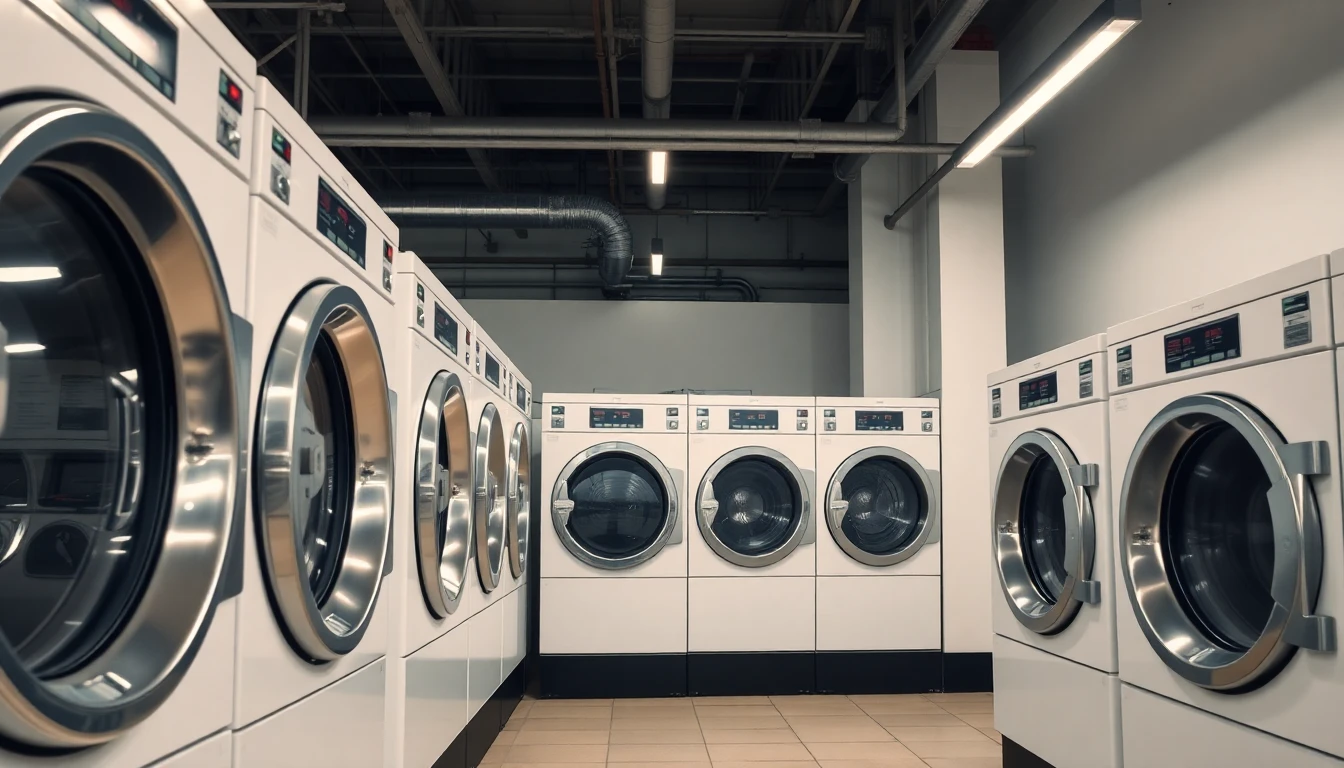
Laundromat Equipment Maintenance: How to Reduce Machine Downtime
A washer that's been sitting out of order for three days is not just an inconvenience — it's a revenue problem. If that machine does 15 loads a day at $3.50 each, three days of downtime costs you $157.50. Multiply that across multiple machines and multiple locations and you're looking at thousands of dollars in lost revenue every year from equipment that should have been fixed faster.
The difference between laundromats that manage machine downtime well and those that don't usually comes down to one thing: visibility.
Why Laundromat Equipment Fails Silently
Most machine problems don't announce themselves dramatically. They build gradually. A bearing starts wearing. A door seal develops a small leak. A belt slips occasionally before it breaks completely.
By the time a machine is obviously broken, the warning signs have been there for weeks — often noticed by staff who didn't have a good way to report them, or noticed by customers who left and didn't come back.
Traditional maintenance management fails because:
There's no system for reporting: Staff notice something off but have no clear way to log it. They might mention it to a manager, who might write it down, who might follow up eventually.
There's no tracking: Even when repairs get reported, there's often no record of what was done, when, and by whom. The same problem comes back and nobody knows the repair history.
There's no visibility: Owners don't know which machines are down or for how long unless they physically visit the store or call to ask.
Preventive maintenance falls through the cracks: When you're putting out fires, scheduled maintenance doesn't happen. Machines that should get quarterly service go a year without attention.
How Equipment Tracking Software Changes Everything
Gorilla POS includes machine maintenance tracking built directly into the platform — not as an afterthought, but as a core feature.
Every Machine Has a Profile
Every washer and dryer in every location gets its own record in the system — model number, installation date, serial number, and full repair history. When you're standing in front of machine W-23 wondering why it keeps stopping mid-cycle, you can pull up its complete history in seconds.
Staff Log Issues in Real Time
When a staff member notices something wrong, they log a repair ticket directly from the floor interface. They select the machine, describe the issue, attach a photo if relevant, and submit. The ticket is immediately visible to management.
No more "I told someone about it." The report is in the system with a timestamp.
You Know What's Down Before Customers Complain
Gorilla POS shows you a real-time view of machine status across all your locations. How many machines are down? Which ones? For how long? Which have open repair tickets?
This visibility lets you act before customers start leaving bad reviews about broken equipment.
Track Repairs Through to Resolution
Once a repair ticket is open, you track it through the entire repair process. Who was contacted? What parts were ordered? When is the technician coming? When was it resolved?
You can see at any point exactly where every repair stands.
AI-Powered Equipment Intelligence
Gorilla AI analyzes your equipment data and surfaces patterns you might miss. Which machines have the most repair tickets? Which are approaching the age where major repairs become more likely than continuing to fix them?
These insights help you make better decisions about equipment investment — when to repair, when to replace, and which machines to prioritize.
The Daily Equipment Check
Good laundromat operations include daily equipment checks — staff physically inspect each machine and log any issues. Gorilla POS makes this a formal part of your daily task structure.
The equipment check task includes a checklist for each machine type:
- Machine starts and runs a full cycle
- Door seal is intact
- Dispenser is clean and functional
- No unusual sounds or vibrations
- Display is working correctly
Staff check each item and log any issues immediately. You see the results in your morning digest.
Preventive Maintenance Scheduling
The best time to fix a machine is before it breaks. Gorilla POS lets you set maintenance schedules for your equipment — quarterly inspections, annual servicing, belt replacements.
When a maintenance task is due, it appears in your task queue. Staff or your service technician completes it and logs the completion. You have a record that maintenance was done on schedule.
This is especially important for warranty compliance — many commercial washer warranties require documented preventive maintenance.
Managing Multiple Locations' Equipment
If you own multiple laundromats, equipment management gets complex fast. You might have 300+ machines across five locations. Knowing the status of all of them without a dedicated system is nearly impossible.
Gorilla POS gives you a unified view across all locations. Filter by location, machine type, status, or repair history. See which stores have the most machine issues. Compare equipment health across your portfolio.
When you're considering whether to buy new machines for one location or another, you'll have the data to make an informed decision.
The Financial Case for Better Maintenance Tracking
Better maintenance tracking doesn't just reduce downtime — it reduces repair costs.
Machines that get regular preventive maintenance have fewer major failures. Problems caught early are cheaper to fix than problems that run until breakdown. And documentation of repair history helps you identify machines that are becoming money pits before you've invested too much in keeping them running.
The cost of laundromat maintenance software is almost always recovered in the first year through reduced downtime and lower repair costs.
See how Gorilla POS tracks equipment across your laundromat. Book a free demo at gorillapos.com/demo