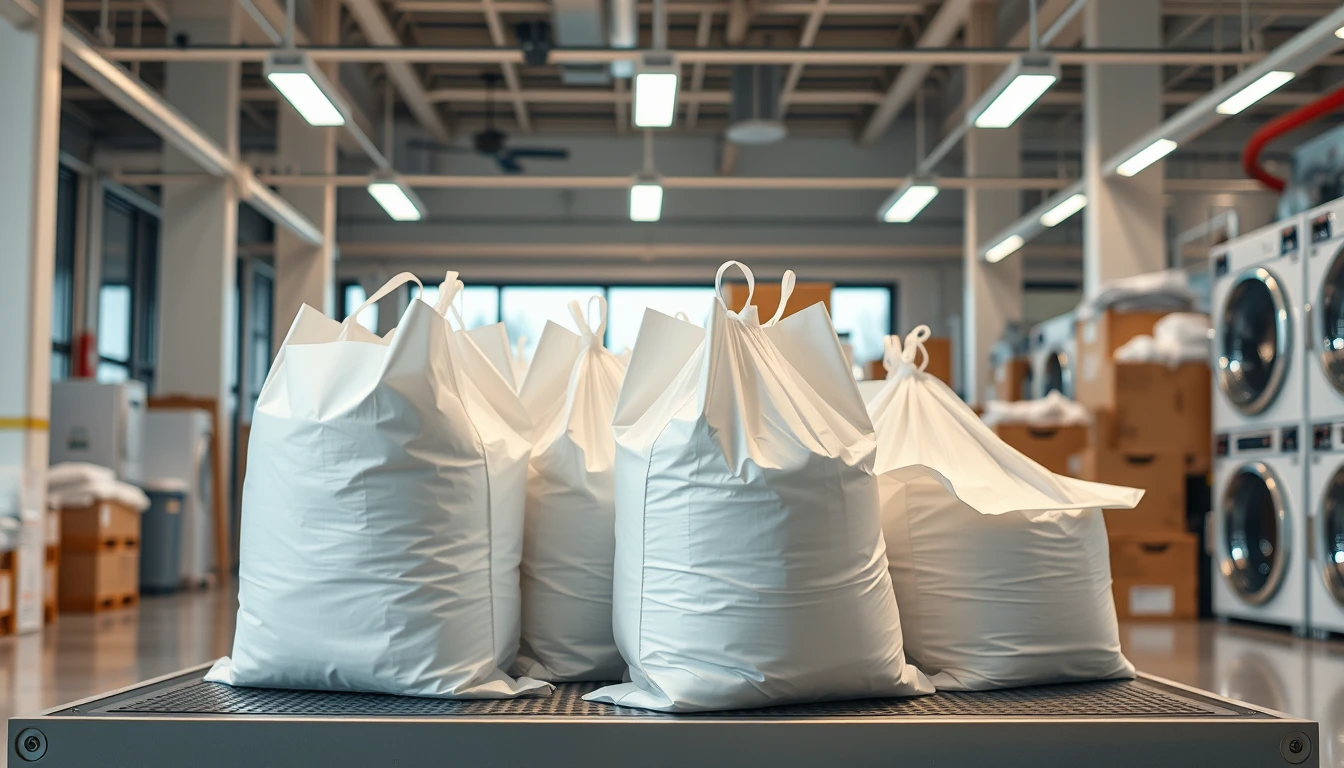
Adding pickup and delivery is the single biggest revenue lever most laundromats never pull. A store doing $25,000/month at the counter can add $8,000–$15,000/month in wash-and-fold delivery without buying a single new machine — you are selling the capacity you already have during slow midday hours. The catch is that delivery falls apart when the operations behind it are held together with text messages and a paper notebook. Here is how to launch it cleanly.
Start with the online ordering flow
The customer experience decides whether delivery grows or dies. A good flow takes under two minutes on a phone: pick a service (wash & fold, comforters, dry clean), choose a pickup window, enter an address, and save a card. That is it. Do not make first-time customers create an account before they can order — capture the phone number, send an SMS confirmation, and let the account build itself from there.
Every order should land in one queue your staff already watch, not a separate email inbox. When a pickup request and a walk-in show up in the same list, nothing gets missed on a busy Saturday.
Weight-based pricing, explained simply
Most wash & fold is priced per pound — commonly $1.75–$2.50/lb depending on your market — because you cannot know the exact price until the laundry is on the scale. That creates a real problem for online orders: the customer wants a number before they commit.
The clean way to handle it: show an estimate at checkout ("about 15–20 lbs = $30–$40"), collect the card on file, then charge the actual weighed amount after intake. Set a minimum order — $30 is typical — so a driver is never sent across town for a $12 ticket. State the per-pound rate and the minimum plainly on the ordering page; surprise pricing is the number-one delivery complaint.
Scheduling windows that protect your routes
Do not offer "anytime" pickup. Offer windows — say 9am–12pm and 3pm–6pm — and cap how many orders each window holds. Windows do two things: they cluster stops geographically so routes are efficient, and they set an honest expectation the customer can plan around. A store that promises a two-hour window and hits it will out-retain a store that promises "today" and shows up at 8pm.
Route planning and driver management
Once you have more than five or six stops a day, sequencing by hand wastes gas and time. Group stops by window, then order them by proximity so the driver is not criss-crossing town. Even a simple optimized route typically cuts drive time 20–30% versus the order the requests came in.
For the driver, keep it phone-simple: today's stops in order, the address, the customer name and phone, and one tap to mark picked up or delivered. Capture a photo on delivery — it ends the "I never got my laundry" dispute before it starts.
Payment collection without awkward conversations
Collect the card at booking and charge after weighing. Nobody hands a driver cash, nobody argues at the door, and your staff never chase an unpaid ticket. For customers who insist on paying at pickup, keep that option — but default everyone else to card-on-file. It is the difference between a delivery line that runs itself and one that generates a stack of "still owes" notes.
Order tracking from pickup to delivery
Both you and the customer should be able to see where an order is at any moment: requested → picked up → washing → folded → out for delivery → delivered. Each status change can fire an automatic text: "We've got your laundry!" at pickup, "Out for delivery, arriving 3–6pm" on the way back. This one feature cuts your inbound "where's my order?" calls dramatically and makes a two-person shop feel like a real service company.
Customer communication is the retention engine
Delivery customers churn silently — they just stop ordering. Get ahead of it: text a receipt after every delivery, nudge lapsed customers after 3–4 weeks of silence, and reply fast when something goes wrong. A missed sock handled with a quick refund and an apology keeps a $150/month recurring customer. Ignored, that same customer is gone and telling their neighbors.
The mistakes that sink new delivery programs
- No minimum order. You lose money on small tickets and burn out your driver.
- Vague pricing. "We'll figure it out" reads as "they'll overcharge me."
- Manual routing past 5 stops/day. Gas and hours evaporate.
- Separate systems. If online orders live apart from your counter queue, they get dropped.
- Silence. No status texts means a phone that rings all afternoon.
Getting started
You do not need a fleet. Start one van, two windows a day, a five-mile radius, and a $30 minimum. Prove the routes, then widen the radius and add windows as volume justifies a second driver. Most stores are cash-flow positive on delivery within the first two months because the labor rides on top of machines that were already sitting idle.
Gorilla POS runs the whole loop in one system — online ordering with estimates, weight-based charging after intake, minimums and scheduling windows, optimized driver routes, delivery photos, and automatic status texts — all feeding the same queue your counter staff already use.
Ready to see it in action? Book a free Gorilla POS demo and we'll walk you through launching pickup and delivery in your store — routes, pricing, and all.